
Storm Debris Removal in Boise After a Big Windstorm
By Tommy Simonson, owner of Man of Steel Junk Removal · Updated
Storm debris removal in Boise: what to check first, how to sort and stack branches, your disposal options, and what moves the cost of hauling it away.
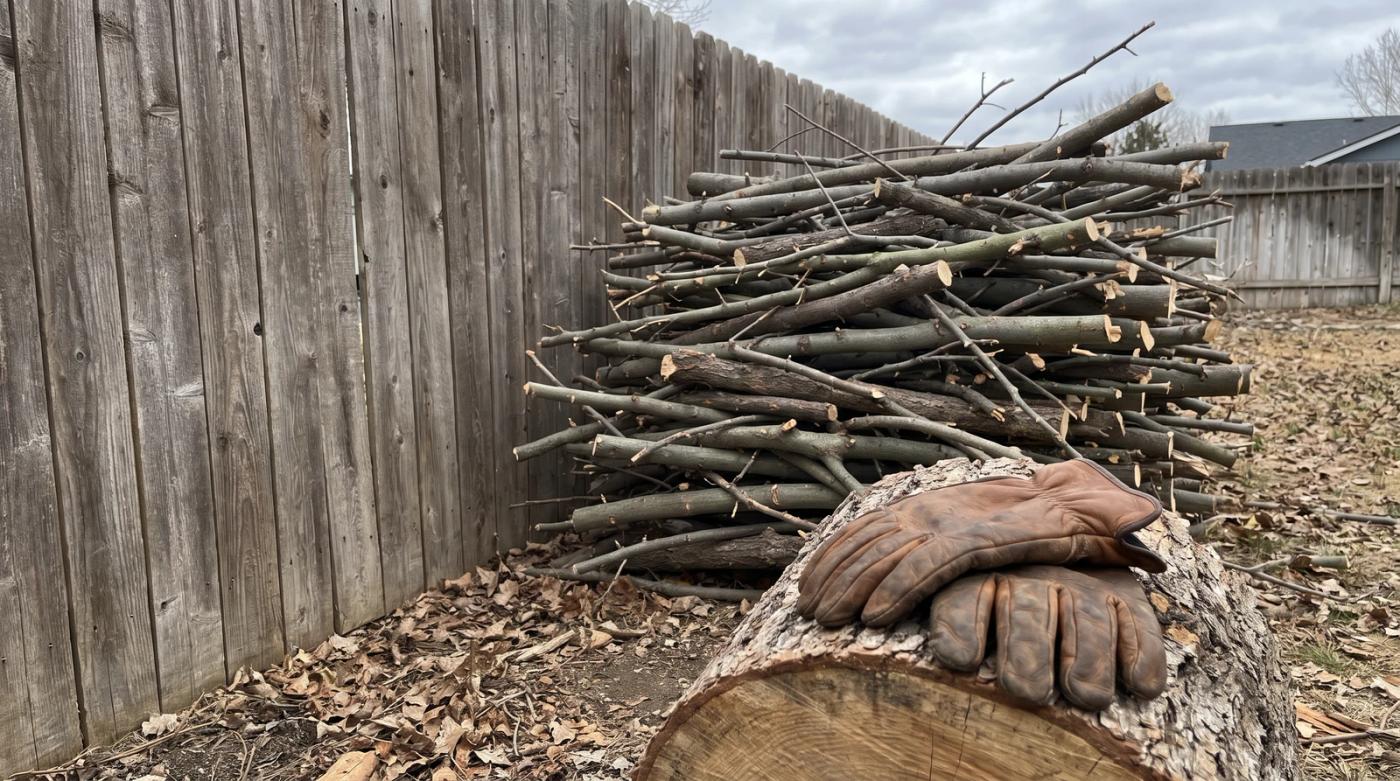
Storm debris removal in Boise starts with safety, then sorting, then picking the right way to get the pile off your property. Check for hanging limbs and power lines first, take photos for insurance, and cut and stack what's yours.
After that, a curbside cart, a landfill run or a hauler can take it, depending on how big the pile is.
If you live in Boise or anywhere else in the Treasure Valley, you know this weather. It rolls through in spring and again in fall, and it doesn't care how nice your yard looked yesterday.
Wind is the usual culprit here. Other natural disasters leave a different kind of mess, but the same basic order applies. Here's what to do before anybody hauls anything, and the mistakes that make cleanup slower and pricier than it needs to be.
What Should You Check Before You Touch Anything?
The first job once the wind dies down isn't cleanup. It's a slow walk around the property.
Look up before you look down. A limb that's cracked but still hanging in the canopy is called a hanger, and it can drop with no warning while you're raking underneath it. If you spot one, stay out from under it and get a tree service out.
Then check for wires. If a branch is touching or tangled in a power line, leave it alone and call Idaho Power. That includes the line running to your house.
Don't nudge it with a rake or a pole. That's not a junk removal job, and it's not a homeowner job either.
A few simple safety measures go a long way: gloves, eye protection, sturdy boots, and kids and pets inside until the yard's been checked.
After that, take pictures. Fence damage, a dented gutter, a limb on the roof. If there's any chance you'll file an insurance claim, you want photos of every pile of debris right where it landed, before it gets cut up and stacked.
Then there's the question of whose tree it was. It's a common question in places like Meridian, Star and Middleton, where a lot of newer subdivisions have small backyards and trees hanging over the fence lines.
In a lot of cases, whatever lands in your yard is yours to clean up, even if the tree grew next door. It can get more complicated when the tree was obviously dead or rotting before the storm. That's a question for your insurance agent, not your junk hauler.
What matters for cleanup is talking to your neighbor before anybody starts cutting. If the trunk is on their side and the top is on yours, decide together who's handling what.
How Do You Get Your Storm Debris Ready for Pickup?
Once the yard is safe and you know what's yours, you can start prepping. A little work here changes how fast the debris removal goes and what it costs. Think of it as your removal plan: what's yours, where it's going, and how it gets there.
Cut limbs into pieces you can actually lift. A long branch with all its side shoots takes up a silly amount of trailer space because it won't pack down. Trim the side branches off, cut the main limb into shorter sections, and everything lies flat.
Stack it in one spot, all facing the same direction, as close to the driveway or side yard as you can manage. Scattered piles across the back lawn mean more trips and more time.
Keep branches separate from everything else. Branches, leaves and twigs are yard waste. A broken fence panel, a crushed patio umbrella or a strip of torn-off siding isn't. That's closer to construction debris, and it often goes somewhere different for disposal.
If the pile is all branches and leaves, it's plain Yard Debris Removal, which is the simplest kind of load to haul.
Heads up: Don't run a chainsaw through a limb that's bent under tension, like a branch pinned under a trunk or bowed against the ground. Once you cut, it can spring back hard. If the wood is loaded like that and you're not comfortable with a saw, leave it to a pro for your own safety.
Storm Debris Removal Options and Proper Disposal Around Boise
So you've got a pile. Where does it go?
For a small amount, your curbside cart might handle it. Boise, Meridian and the other cities each have their own rules on what goes in the cart and how much can sit next to it, so check with your city or hauler. The catch after a big wind is that the whole neighborhood is trying to stuff their carts the same week.
You can haul it yourself. Ada County Landfill takes yard waste, but check their current fees, hours and load rules before you head out. Ask whether they want branches kept apart from construction debris, since mixed loads are often handled differently.
Over in Nampa and Caldwell, Canyon County runs its own sites with its own rules. A DIY run works fine if you've got a truck, a free afternoon and a pile that fits in one load.
Or you can hire it out. With most haulers, the price of debris removal comes down to volume and access. A neat stack by the driveway is quicker to load than branches scattered behind a locked gate at the far end of a sloped lot in the Eagle foothills, and heavy trunk sections can change things too.
A good hauler also takes care of proper disposal for you, sorting brush from trash so each part goes where it's allowed.
| Option | Works best when | Watch out for |
|---|---|---|
| Curbside cart | A small pile of branches and leaves | Pile rules vary by city |
| Your own landfill run | You have a truck and a load that fits in one trip | Fees, hours and load rules |
| Hiring a hauler | The debris is big, heavy or mixed | Busy schedules after a big wind |
One more thing about timing. Right after a big storm, tree services and haulers across the valley tend to get busy all at once.
If the pile isn't blocking anything or creating a hazard, there's no shame in stacking it and letting debris removal wait a bit. Branches don't go bad.
What Are the Common Mistakes With Yard Waste and Disposal Methods?
The trouble spots are pretty predictable.
People cut before they photograph, and then the adjuster has nothing to look at. They pile branches against a fence that's already leaning, which finishes the job the wind started. They toss a broken lawn chair into the brush, and now the load isn't clean brush anymore.
That last one matters more than it seems. Clean brush has more places it can go than a mixed load of debris and trash, so keeping them apart leaves you more disposal methods to choose from.
Then there's dragging a big limb across the lawn in one piece. Can you do it? Sure.
Is it worth the torn-up grass and the sore back? Usually not. Cut it first.
Quick tip: Once the wind dies down, the order is simple. Check for hangers and power lines, take photos, talk to your neighbor if the tree was theirs, then cut, stack and sort.
If the pile's bigger than you feel like dealing with, I'm happy to take a look. I'm Tommy, I run Man of Steel Junk Removal out of Eagle, and I do the hauling myself.
Text a photo of the mess to (208) 391-0221 and I'll send you a price. And if your curbside cart can handle it, I'll tell you that too.
Frequently Asked Questions
What is debris from a tornado?
Tornado debris is anything the wind tears loose and drops somewhere else: branches, whole trees, roofing, siding, fencing and broken household items. It's usually more mixed than what a regular windstorm leaves, so debris removal after one takes more sorting.
Do storm-damaged trees need to be clean cut?
Broken limbs still on the tree do better with a clean cut than a torn, jagged stub, and that's work for a tree service. Limbs already on the ground only need to be cut short enough to stack and haul.
Does insurance pay for cleanup after a storm?
It depends on your policy. Some policies cover debris removal when a tree damages your house or another covered structure, and many treat a tree that only lands on the lawn differently. Ask your agent, and keep your photos.
Is storm cleanup different from regular junk removal?
Related reading: Yard Debris Removal in Boise After the Tree Trimming Is Done and Brush Pile Removal in Boise When the Cart Won't Cut It.
Mostly in what's in the pile. Wind cleanup is heavy on branches and brush, while junk removal is more often furniture and household items. Waste removal works the same way for both: it gets loaded, sorted and taken where each part is allowed. Either way, you don't have to haul it the same day the wind stops.
Need help with yard debris removal?
Name and number is all it takes. Man of Steel Junk Removal will get back to you with a price.
Rather just ask?
Skip the reading. Man of Steel Junk Removal picks up the phone.
