
Deck Removal Cost: What Really Drives the Price in Boise
By Tommy Simonson, owner of Man of Steel Junk Removal · Updated
Deck removal cost in Boise depends on height, footings, material and access more than square footage. Learn what drives the price and how to prep.
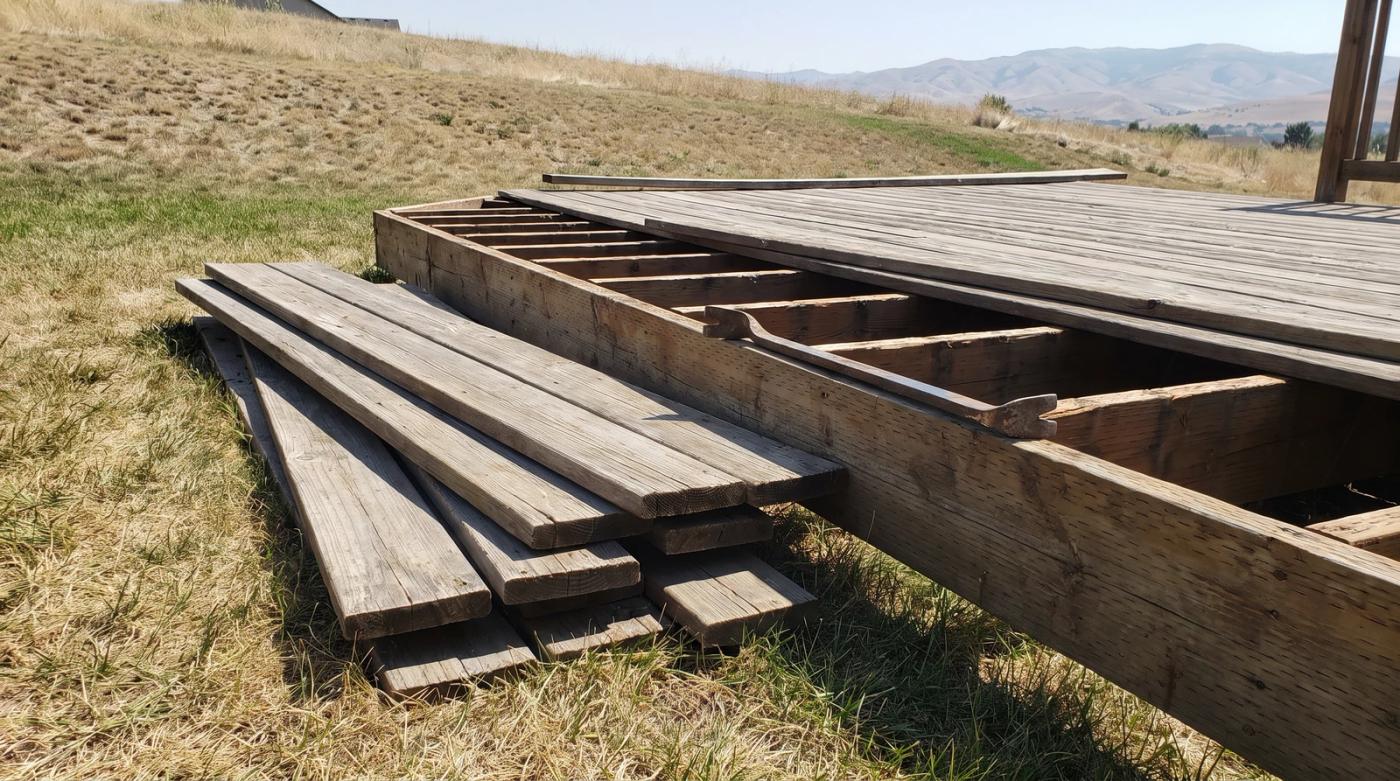
Deck removal cost in Boise comes down to how high the deck sits, what's holding it up, what it's built from, and how easy it is to get it all out. Square footage matters less than you'd think.
Removal is mostly labor and disposal. Anything that adds time or weight to the removal adds to the price, and anything that makes the debris easier to load brings it down.
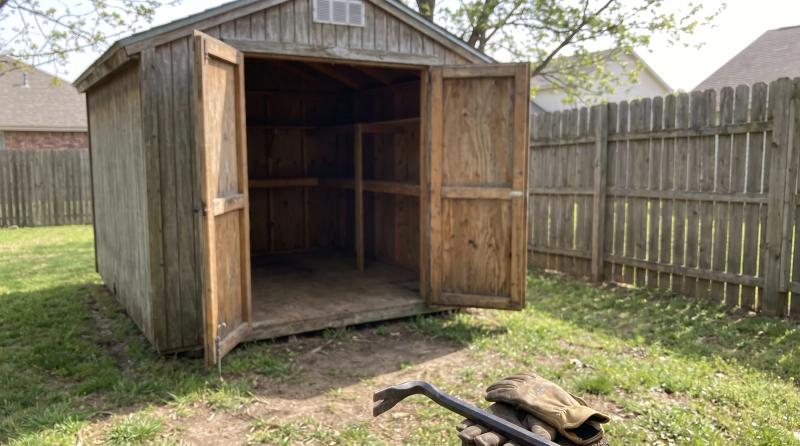
Deck removal sits in the same family of services as shed removal, hot tub removal and a full backyard cleanout. A junk removal crew takes it apart, loads the debris and hauls it off, so you're left with bare ground or a clean slab.
How much does deck removal cost in Boise?
So how much does deck removal cost? You'll find a national average in online price guides that cover the whole USA. Those guides mix big cities and small towns with very different labor rates and disposal fees, so they don't say much about your deck in Boise.
Local junk removal and debris removal services price the job from what they actually see. Some junk removal companies' services stop at hauling a pile you already tore down, and others handle the full removal, footings and all.
Ask what services each quote includes, like hauling, disposal or a cleanout under the deck, since that shifts the removal price.
Here's what moves the removal price around the Treasure Valley.
Height is the big one. A ground-level deck sitting a foot off the dirt on blocks comes apart fast, and removal is mostly pulling boards and loading the trailer.
An elevated deck hanging off a second-story slider in one of those newer Star or Middleton subdivisions is a different animal. Everything comes down controlled, so removal takes longer, and you're working over a drop instead of over grass.
Attachment matters too. If the deck is bolted to the house with a ledger board, that has to come off clean during removal without wrecking siding or leaving a rotten hole in your wall. Ledger removal is slow, careful work.
Then there's material. Pressure-treated pine is common across the USA and manageable. Old cedar or redwood, like a lot of decks on older Boise homes, is light and often half rotted already. Composite is the heavy stuff and it's hard to recycle, so after removal it usually ends up at the Ada County landfill.
Disposal cost usually follows weight, not how big the pile looks in your backyard. A small deck built out of heavy material can run more for removal than a bigger one built light.
Access rounds it out. A narrow side gate or a steep lot up in the Eagle foothills won't kill a removal job, it just adds time, and time is a big part of what you're paying for.
Here's how each factor tends to push deck removal one way or the other:
| Factor | Easier removal | Harder removal |
|---|---|---|
| Height | Ground-level, on blocks | Elevated, off a second story |
| Attachment | Freestanding | Ledger bolted to the house |
| Material | Old cedar or pine | Heavy composite |
| Footings | Posts in dirt, cut below grade | Concrete footings dug out |
| Access | Open yard, wide gate | Narrow gate, steep lot |
| Services | Haul-away of a pile you tore down | Full removal plus a yard cleanout |
| Extras | Deck removal only | Deck plus other junk removal |
A full deck removal can include:
- Board and railing removal
- Framing and joist removal
- Post and footing removal, if you want it
- Debris removal and hauling to the landfill or recycler
A small ground-level removal is one of the simpler jobs I run, and a tall deck with concrete footings takes a good deal more.
Should you demolish deck footings or cut them off?
Ask yourself how far down you want the removal to go. That answer swings the price more than anything else on the list.
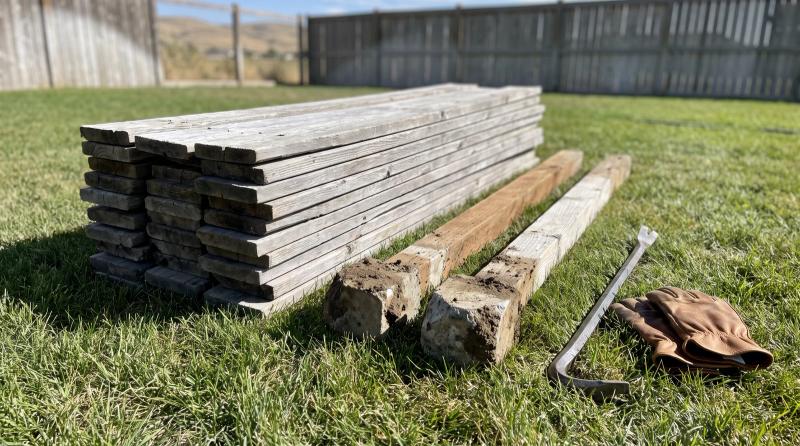
Posts set straight into the dirt, common on older builds, often rot off at the ground line and pull out with a good tug, which keeps that deck demolition a lighter project. Posts set in concrete make deck demolition a bigger project. Each one leaves a heavy chunk of concrete, sometimes a big one, and it has to be dug out and hauled as construction debris.
That's why footing removal adds weight to the debris removal side of the bill.
Pouring a patio or building new over the same footprint? Finish the footing removal now so the construction crew starts clean. If you're going back to grass, cutting the posts below grade and pulling the top few inches is usually the smarter move.
If you'd rather not demolish the footings at all, say so before the job starts. After the removal, deck posts cut flush can stay put, and that choice alone changes the size of the project.
Worth asking: Does the quote cover footing removal?
Timing plays into removal too. January and February are rough on footing removal, since frozen ground doesn't dig so much as argue, and a July afternoon in the valley is no place to swing a sledge.
Fall is the sweet spot for junk removal: soft ground, no heat, and a good window to line up a concrete crew if you're rebuilding.
Quick tip: Before anyone starts pulling posts, run your sprinklers and flag the heads and lines around the deck. A lot of the buried surprises on a deck removal are irrigation, not concrete, and a cut lateral turns a clean job into a wet afternoon.
How to prep for a deck demolition
Good prep keeps deck demolition and removal moving. Before deck demolition, clear everything off the deck and out from under it. Planters, patio furniture, bikes, the stack of scrap lumber somebody slid under there years ago. If the job starts with moving your stuff instead of the removal, that's extra time, and extra time adds to the cost.
Check underneath for old junk so the removal plan is right.
Got more junk in the yard than just the deck? Say so up front. Folding a yard cleanout into the same junk removal visit means one trip instead of two.
Unhook anything wired in. String lights, a fan somebody mounted to the pergola, an outlet on a post. Before removal, deck wiring needs the breaker off, so kill it and tell me it's dead.
Pull what you want to keep before removal day, not during. Once a railing meets a sledge it isn't a railing anymore.
Furniture and planters in decent shape can go to a local donation center, and usable items I haul off as part of the junk removal get donated anyway.
Metal stays out of the landfill pile during removal. Railings, joist hangers, brackets, the old gas line off a grill hookup. That gets separated and recycled instead of buried.
Should you just tear it out yourself?
A small ground-level deck with a reciprocating saw and a free Saturday is a real DIY removal project. During removal, deck boards come off first, then framing, then posts.
The wall people hit is disposal after the removal. Even a modest deck makes more scrap than most people expect, and by the third run out to Hidden Hollow, paying disposal fees and picking nails out of your tires, the math stops being fun.
That's where a junk removal crew earns its keep. Plenty of homeowners demolish deck boards and framing themselves and book debris removal for the pile, which splits the labor from the hauling. If you demolish part of it yourself, stack boards nails-down so the debris removal goes faster.
Rebuilding? You can fold the removal into your construction costs with a general contractor, or book junk removal for the old deck so the builder starts on a clean site. Ask the builder if removal is in their construction services or a separate bid.
Height, footings, material and access set the deck removal cost. Clear the deck, flag your sprinklers, and decide up front how deep you want those posts gone.
Frequently asked questions
Is the national average useful for a Boise deck?
Not much. Demolition and junk removal services across the USA charge differently, and local disposal, access and labor change the picture. A photo of your actual deck lets services give a better answer.
How long does deck demolition take?
It comes down to size, height and footings. A small ground-level removal goes quickly, and concrete footings are what stretch a deck demolition project out. Access and any extra junk removal change it too.
Where does all the debris go?
After removal, wood and composite usually go to the landfill, metal gets recycled, and usable furniture can be donated. For junk removal, deck debris is loaded like any other cleanout.
Do I need a permit to tear it out?
Rules vary by city and across the USA, so check with your local building department before you demolish anything attached to the house. It's worth mentioning to your debris removal crew too.
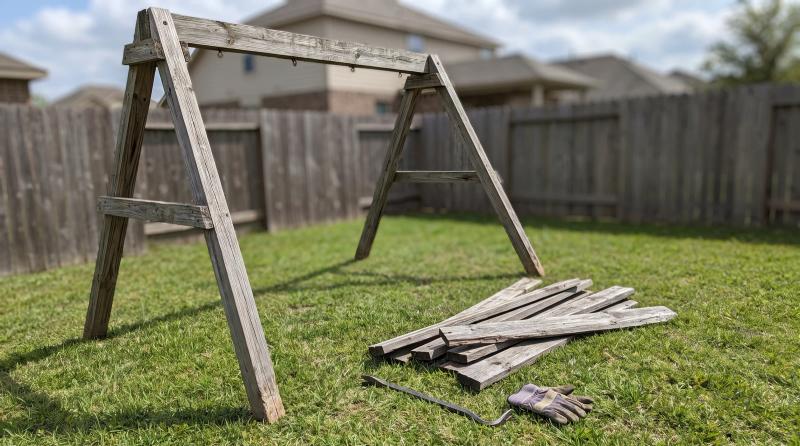
Related reading: Shed Demolition Prep Before Teardown: Boise Guide to Site Cleanup and How to Remove a Wooden Swing Set in Boise, Step by Step.
Ready for a real number? Text a photo to Man of Steel Junk Removal at (208) 391-0221, ideally one from the side so I can see how high it sits. If it's something you'd rather knock out yourself, I'll tell you that.
Need help with demolition?
Name and number is all it takes. Man of Steel Junk Removal will get back to you with a price.
Rather just ask?
Skip the reading. Man of Steel Junk Removal picks up the phone.
