
Yard Debris Removal in Boise: The Best Time of Year to Book
When's the best time for yard debris removal in Boise? A local hauler walks through spring, summer, fall and winter, and why fall usually wins.
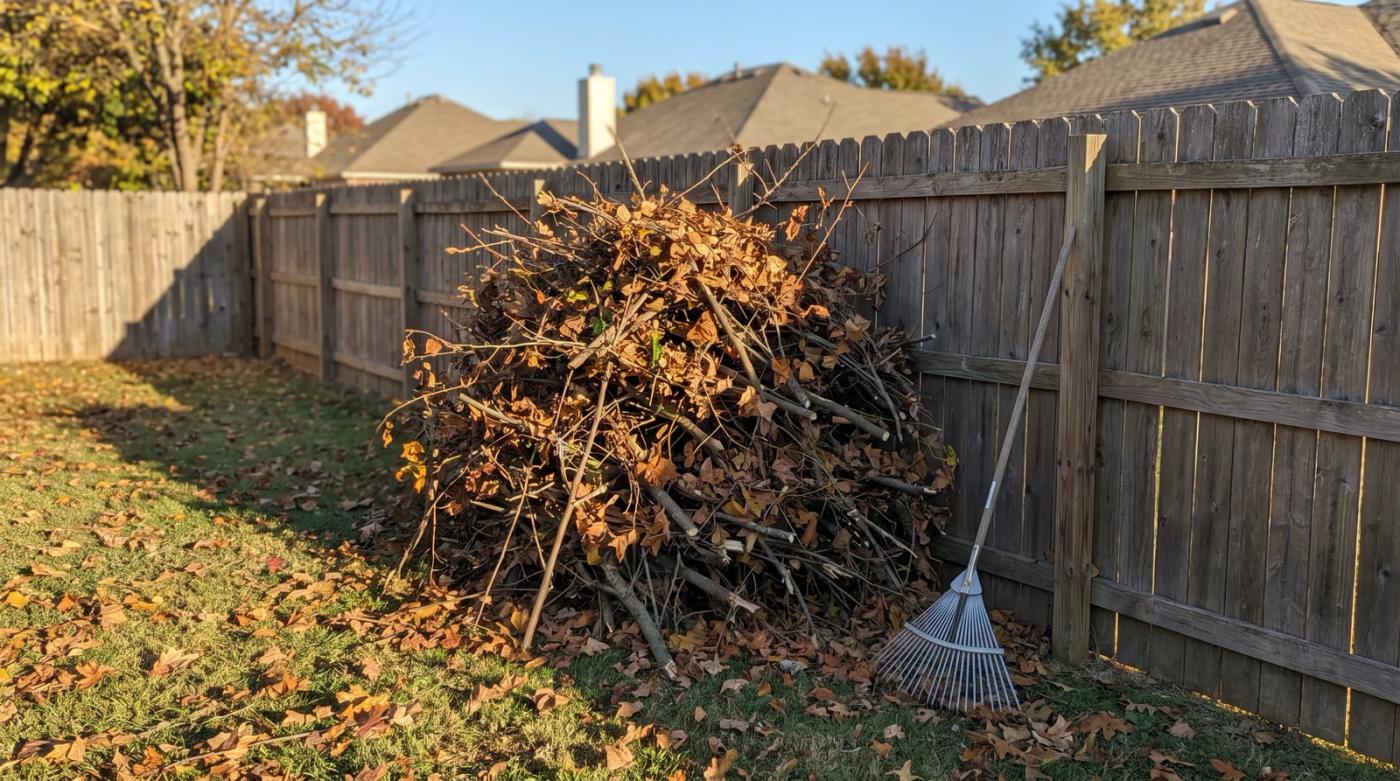
The first warm Saturday in April, half of Boise heads outside with loppers and a rake. By Sunday night my phone is full of photos of branch piles taller than the person who stacked them, and it seems like everyone who needs yard debris removal in Boise wants it that same week.
I get it. Most people book when the pile starts to bug them, not when the timing makes the most sense. But the season changes a lot: how easy the job is, how much the pile weighs and how long you'll wait.
Here's how the year actually plays out, from a guy who hauls brush and leaves in every season.
Spring yard debris removal is busy, wet and heavy
Spring is when everyone prunes, and there's a good reason for it. A lot of trees and shrubs around the Treasure Valley take a trim just fine before they leaf out, and it's your first real look at what winter broke.
The catch is that your neighbors had the same idea. Schedules fill up fast in March and April, so a pickup that might happen in a day or two in October can take a little longer.
Spring debris is also soggy. Leaves that sat under snow since December come up as a heavy, matted layer, and wet brush weighs a lot more than dry brush. Disposal is paid by weight or by load, so that soaked pile can cost more to get rid of than it would a few weeks later.
If you're cutting in spring, let the pile sit in the sun for a week or two before you text me. It settles down and gets lighter.
Summer: easy to haul, bad to leave sitting
Summer is the easy season for me. The ground's dry, nothing's frozen to the lawn, and I can usually get right up to the pile.
The trouble starts when that pile hangs around. Boise summers are hot and bone dry, and a stack of dead branches against a wood fence in August is basically kindling. If you're up against the foothills in Eagle, where grass fires show up most summers, that goes double.
A brush pile also cooks the grass under it. Leave one in place for three weeks in July and you'll have a yellow rectangle to look at until fall.
Heads up: Burning your brush pile isn't the shortcut it used to be. Open burning is restricted in a lot of the valley, and it's often shut down completely during fire season or on bad air days. Check with your local fire district before you strike a match. Hauling it off is usually the simpler call.
Why fall is the best time for yard debris removal in Boise
If I had to pick one window, it's mid to late fall. Once most of the leaves are down, usually late October into November around here, you can do one big cleanup instead of three small ones.
It's cool enough to work outside all day. Branches you cut have time to dry out. And the spring rush is months away, so I can usually get to you quickly.
There's a lawn reason too. Wet leaves left on the grass all winter smother it and invite snow mold, which is a big part of why so many yards on the Bench and in Meridian's newer neighborhoods look patchy come March.
If you're in Boise, your compost cart helps. But one big maple can fill it for a month straight, and that's usually about when people call me.
Should you wait for every last leaf? Not really. If the big trees are bare and only a few stragglers are hanging on, go ahead and clean up.
Winter storms and the jobs you can't plan
I do haul yard debris in winter, but most of it is storm cleanup. A heavy wet snow or a hard wind will snap limbs off the old silver maples and willows in Nampa, Caldwell and the older parts of Boise.
Winter does make the work trickier. Piles freeze to the ground and have to be pried loose, and leaves under snow turn into one solid slab. When a thaw turns the yard to mush, I load from the driveway or the street so I'm not tearing up your lawn.
A limb down on a fence or across a walkway shouldn't wait for spring. A leaf pile tucked in the side yard usually can, at least until you get a dry stretch.
Then there are the jobs that don't care what month it is. Maybe you bought a place in Star or Middleton and the last owner let the back fence line go wild. Or your landlord gave you a week to clean up before move-out.
Those you just deal with when they come up. Text a photo of the pile, get a price, and most of the time it's gone within about 48 hours.
What's it going to cost? That depends on how much room the pile takes up and what's in it. A few bags of leaves runs a lot less than a trailer heaped with limbs, which is why a photo gets you a real number instead of a guess.
One thing that helps any time of year is keeping green waste separate from household junk. Branches and leaves go in one pile, the busted patio chairs somewhere else. It makes sorting easier, and if that patio set still has some life in it, it can go to Idaho Youth Ranch or St. Vincent de Paul instead of the landfill.
The bottom line
If you get to choose, fall wins. The piles are drier, the weather's nicer and the wait is shorter. Spring works fine if you book early and let the brush dry first, summer piles shouldn't sit, and winter is mostly storm damage.
Yes, I'd happily haul your pile whenever you're ready. But if you're asking when it makes the most sense, that's my honest answer.
When your yard's ready, snap a picture and text it to (208) 391-0221. I'll tell you what it'll run and when I can swing by.
Need help with yard debris removal?
Name and number is all it takes. Man of Steel Junk Removal will get back to you with a price.
Rather just ask?
Skip the reading. Man of Steel Junk Removal picks up the phone.