
Hoarder Cleanout vs Biohazard Cleaning in Boise: Who Does What
Not every hoarder cleanout in Boise needs a biohazard crew. Here's how to tell which job you've got, who to call first, and how the two work together.
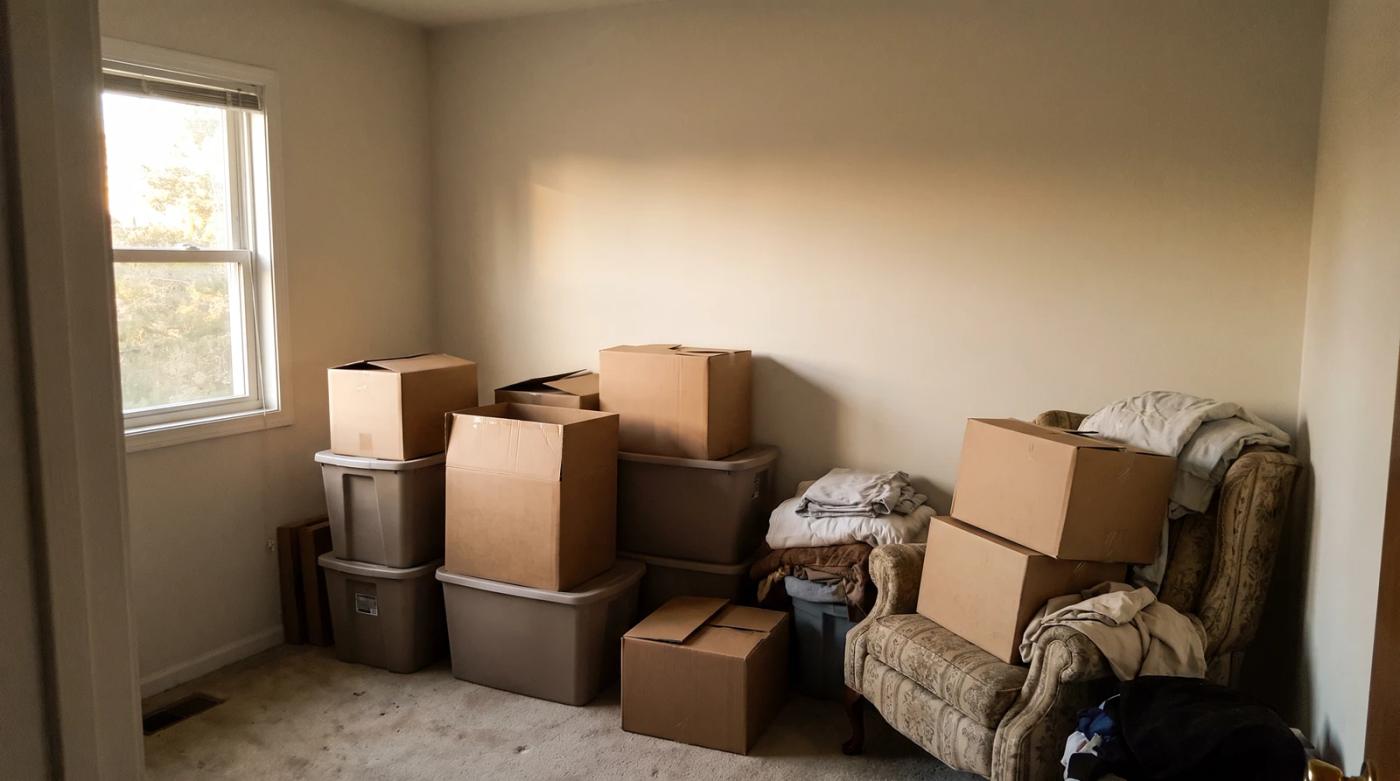
A woman in Meridian texted me last spring about her brother's house, and the first thing she did was apologize. She'd already called two biohazard companies about the hoarder cleanout, and both quotes made her sit down.
Her question was simple. Did she actually need them, or did she just need someone to haul it all out?
I hear some version of that a lot with a hoarder cleanout in Boise and around the Treasure Valley. The honest answer is that sometimes you need a biohazard crew. A lot of the time you don't. And sometimes you need both, in a certain order.
What a hoarder cleanout actually covers
A hoarder cleanout is mostly volume. Boxes, bags, furniture, clothes, stacks of papers, dead appliances and years of unopened mail.
The house is packed, but the stuff itself isn't dangerous to handle with good gloves on.
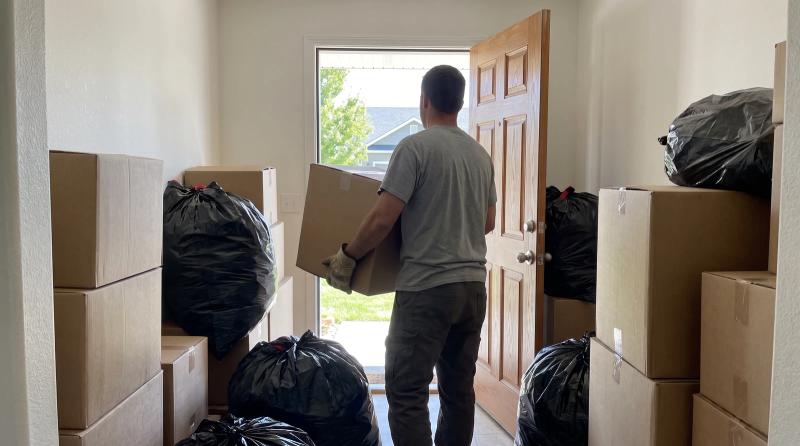
That's my lane. I come in, sort as I go and load the dump trailer. Usable furniture and household goods go to Idaho Youth Ranch or St. Vincent de Paul. Metal and appliances get recycled. The rest heads to Hidden Hollow or the Ada County landfill.
Dust, clutter, a stale smell, a few mouse droppings in the corner of the garage? That's normal for this kind of job. It's dirty work, not hazardous work, and nobody needs a hazmat suit for it.
When it crosses into biohazard territory
Biohazard cleaning is a different trade. Those crews deal with things that can make people sick, and they have the training, the gear and the disposal setup that I don't.
So what pushes a house over that line? Here's what I'm looking for when someone texts me photos.
Human or pet waste in large amounts. A few accidents on a rug is one thing. A room where animals lived for years, or a bathroom that stopped working and kept getting used, is another.
Bodily fluids. If someone passed away in the home and wasn't found right away, that's a job for a trauma and biohazard company. No question about it.
A serious rodent problem. I mean nests in the walls, droppings on every surface and urine soaked into the carpet. Deer mice carry hantavirus here in Idaho, and kicking up that dust without the right protection is a bad idea.
Needles and sharps. Medical or otherwise, they need special handling.
Rotting food at scale. A fridge that's been unplugged since last summer is gross but doable. A kitchen where the food waste is ankle-deep is something else.
If none of that sounds like your situation, you probably don't need the biohazard crew. If one or two of those show up in a single room, you might only need them for that room.
Why the order matters on a mixed hoarder cleanout
This is where people save real money. In a lot of houses I see, from the Boise Bench to the new subdivisions out in Star, the hazardous part is limited to one spot. The back bedroom where the cats stayed. The bathroom. The basement with the mouse problem.
The rest of the house is just stuff.
Specialist crews aren't cheap, and you don't want them spending a whole day carrying out clean boxes of old paperbacks. That's a poor use of their time and your money.
What tends to work better is splitting the job. The remediation crew handles the contaminated area, makes it safe and bags whatever needs special disposal. Then I clear the volume from the rest of the house.
Sometimes it runs the other way. I empty the clean rooms first so the specialists can get to the problem area without climbing over a couch.
Either way, you're only paying specialist rates for the part that actually needs a specialist.
Heads up: Before anyone touches anything, take photos of every room and hang on to them. If an insurance claim, a probate question or a landlord dispute comes up later, those pictures will save you a lot of back-and-forth.
How to tell which one you need
You don't have to make this call on your own. Walk through the house, or have someone you trust do it, and snap a few photos of each room. Then send them to a junk removal company and a biohazard company and let both of them tell you what they see.
Yes, I'd like the job. But if I see something in your photos that isn't safe for me to haul, I'll say so and point you toward the right kind of help. Showing up and making things worse doesn't do either of us any good.
A few details help a lot. Roughly how big the house is, how many rooms are packed, whether there were pets and whether anyone's been living there lately.
A place in Caldwell that sat empty for two years is a very different job than a house in Nampa where someone still lives.
What about the smell? People ask me that all the time. A heavy musty odor usually comes from the stuff itself, and it fades once the house is empty and aired out. That's true even for a place that sat closed up through a hot, dry Treasure Valley summer.
An ammonia smell that stings your eyes is different. That's usually urine, and it points toward remediation.
Bottom line
Most hoarder cleanouts are a hauling job, not a hazmat job. When there is a biohazard piece, it's usually one or two rooms, and splitting the work keeps the cost down.
Not sure which one you've got? Text a few photos to (208) 391-0221. I'll give you a straight read and a price on the part I can handle, and I'll tell you up front if some of it needs someone else.
Need help with hoarder cleanouts?
Name and number is all it takes. Man of Steel Junk Removal will get back to you with a price.
Rather just ask?
Skip the reading. Man of Steel Junk Removal picks up the phone.
