
Appliance Scrap Value: Is Your Old Washer or Fridge Worth Hauling?
By Tommy Simonson, owner of Man of Steel Junk Removal · Updated
Learn what sets appliance scrap value around Boise, which metals pay more, why fridges need freon recovery first, and when paying for removal makes sense.
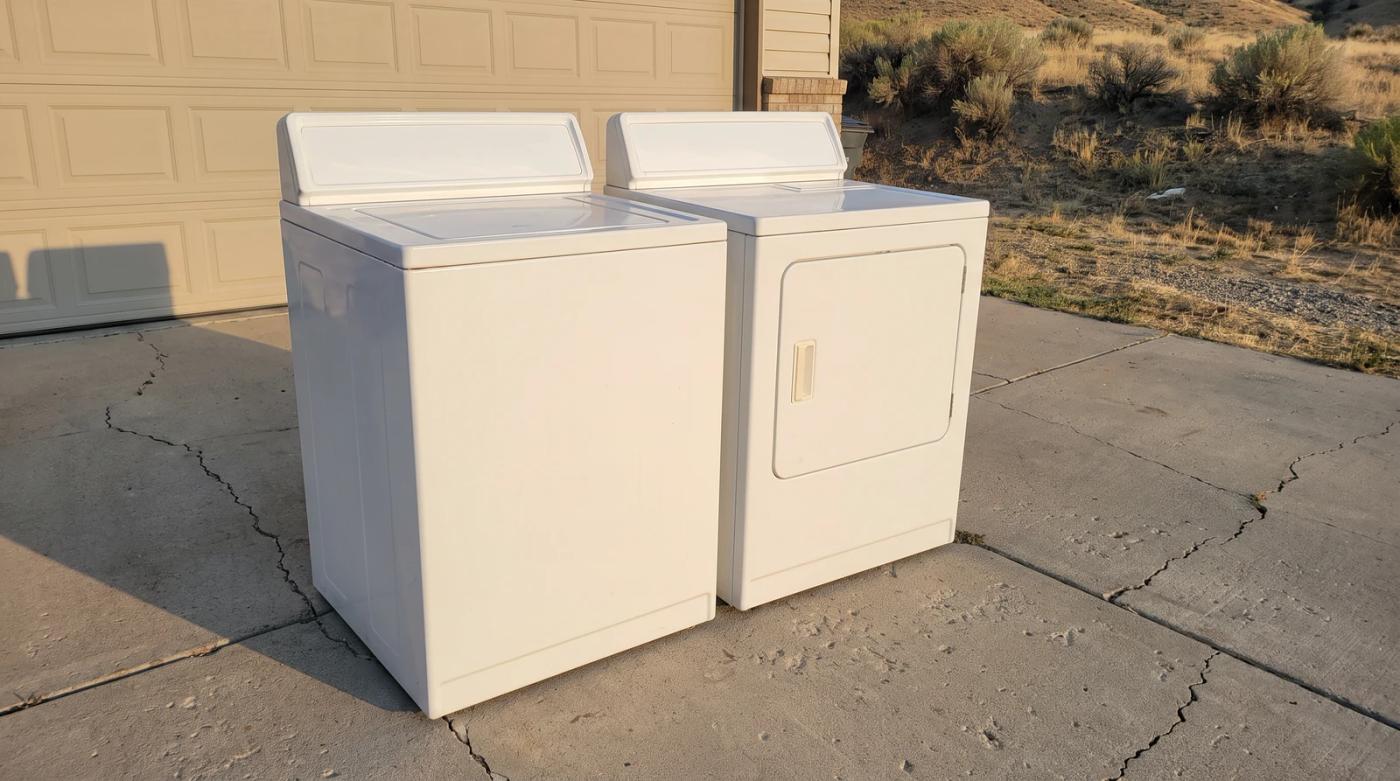
Appliance scrap value comes down to three things: how much the unit weighs, what kind of metal is inside, and whether the yard will take it at all. Most old washers, dryers and ranges are mostly plain steel, which is one of the lowest-paying kinds of scrap metal. The better money sits in small parts like copper wire, brass fittings and aluminum, and getting those out takes tools and time.
The real question is whether the truck, the trip and the afternoon are worth it.
So here's the math, from somebody who loads these for a living.
Appliance scrap value: what a scrap yard actually pays
An old top-load washer is heavy. Sounds like a pile of metal until you find out that a big chunk of that weight is often a concrete counterweight bolted inside the cabinet. Nobody pays you for concrete.
Scrap steel prices move around, and mixed appliance metal doesn't pay much by the pound. One washer on its own doesn't add up to much. Bring the dryer along and you might cover your gas.
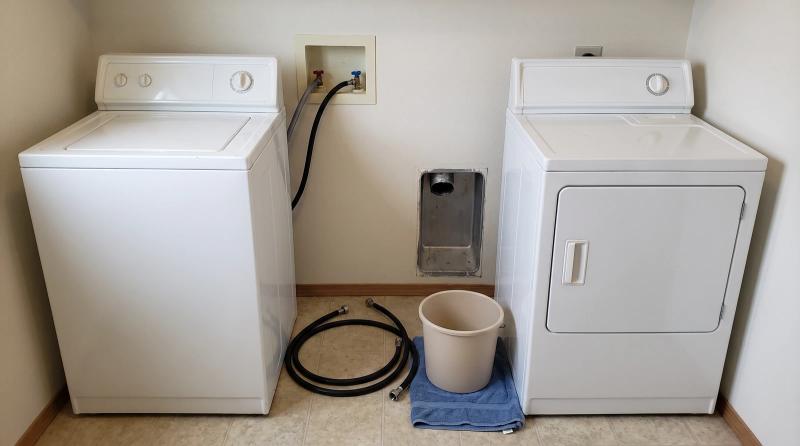
Then subtract what it takes to get there. A truck or a trailer, a couple of ratchet straps, an appliance dolly if you'd rather not gouge your door frame, and almost always a second set of hands. A washer that shifts on a tailgate halfway down Chinden is not a fun afternoon.
The yards in Boise and Nampa weigh your load and pay by what the scale says. It's just that a few hours and a favor from your brother-in-law later, you're not up by much.
Nobody runs that number before they start. They run it on the drive home.
How scrap yard pricing works
Every yard is a recycling business, and it buys what it can sort and sell on. A whole unit usually gets graded as light iron, sometimes called shred, which sits at the low end of their scrap metal pricing.
Clean, sorted metal gets better pricing than mixed metal. That's why a yard pays one rate for a whole dryer and a better rate for the stripped wire that came out of it. Some yards also knock the rate down, or add a surcharge, when a load shows up mixed with trash, wood or concrete.
Metal prices follow the commodity markets, so what you heard last month may not be what the scale pays today. Call the yard the morning you plan to go and ask what they're paying for whole units, copper and aluminum.
Stainless steel, copper and other parts that pay more
If you want to squeeze more out of an old unit, here's where the value hides:
- Copper wire in the power cord and wiring harness. Insulated wire pays less than clean, bare copper, because the yard has to deal with the plastic coating.
- Copper windings inside motors and compressors. A washer, dryer or fridge motor holds more copper than most people expect.
- Aluminum in fridge and AC coils, some motor housings, and the trim on certain ranges.
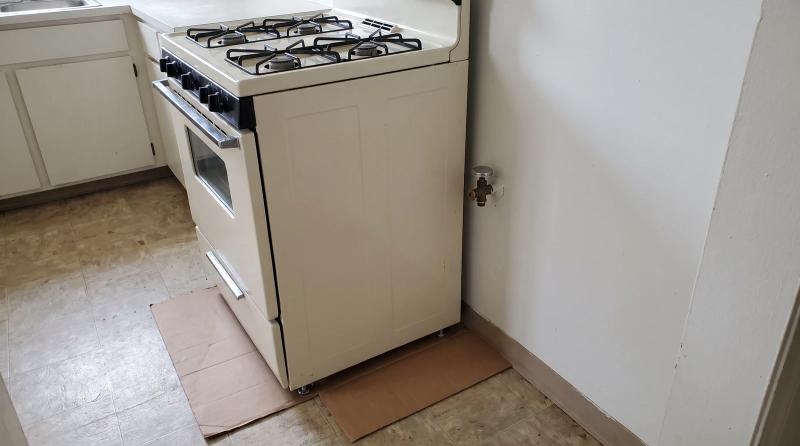
- Brass fittings on washer water valves and gas stove connections.
- Stainless steel drums and panels. Many yards grade stainless steel apart from regular steel, depending on the type.
Pulling the copper, brass and aluminum out is real work: nut drivers, wire cutters and patience. And the leftover metal shell still has to go somewhere when you're done.
Fridges and freezers play by different rules
This is where the do-it-yourself plan usually comes apart.
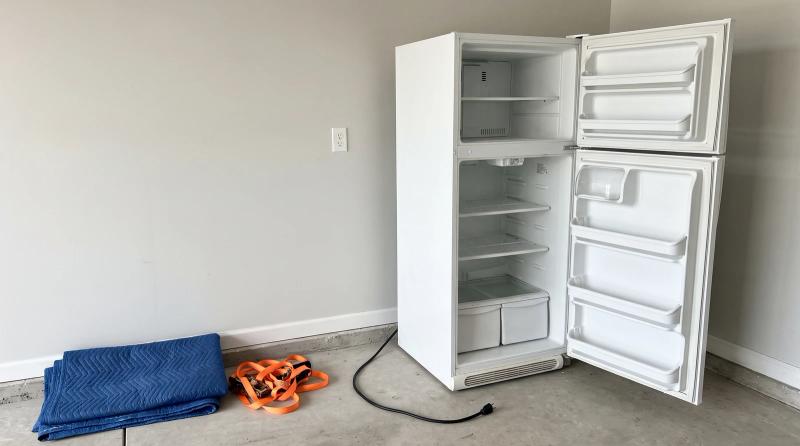
Anything with a sealed cooling system has refrigerant in it. Refrigerators, chest freezers, window AC units, dehumidifiers, all of it. Letting that vent into the air is illegal, and the yards know it, so many recycling yards won't touch a fridge unless the refrigerant has already been pulled and tagged by somebody certified to do it.
That freon recovery step is its own job with its own cost. Some yards add a surcharge on top, or want paperwork showing who did it.
So you can wrestle it into the truck, drive across town, and get turned around at the scale.
The Ada County Landfill at Hidden Hollow has its own handling rules and fees on these, so ask about units with refrigerant before you load anything.
Heads up: Before you list an appliance or call anybody about it, take a photo of the model and serial plate. On a fridge it's usually inside the door frame or the fresh-food compartment, and on a washer it's usually on the back panel or under the lid. That tells you how old the thing really is with a quick search online, and it's the first question any serious buyer asks you.
When selling it beats paying for appliance removal
I'm not going to pretend I want every appliance in the Treasure Valley. If yours still runs, sell it. A working unit is worth more to the next owner than it will ever be worth as scrap metal.
Newer, clean and working, it'll often move on its own.
Matching washer and dryer pairs tend to go quicker than singles. Stainless anything tends to draw more interest too.
What doesn't move? An old single unit with rust creeping up the base, a cracked agitator, or that particular shade of almond.
A free listing on one of those can buy you a lot of tire-kickers and Saturday no-shows in your driveway.
Other rule of thumb: if nobody bites right away, waiting longer rarely helps. An appliance left beside the house through a hot dry summer and a freezing winter turns into a rusted lawn ornament worth even less than it was.
Donation is worth a phone call too. Some local charity thrift stores will take a working appliance, though it depends on the store and what's already on their floor. Call before you load it.
Good to know: Selling or donating a working unit almost always beats recycling it. The scrap metal value is the floor, not the ceiling.
What appliance removal day actually looks like
It's me, my maroon F-350 and a dump trailer. No crew, no call center, nobody you've never talked to standing in your kitchen.
One appliance sitting in an open garage is about the easiest kind of job there is. What moves the price isn't the item, it's the stairs and the distance.
A washer down in a basement laundry room in the North End or up on the Boise Bench is a different job than one already at the curb. Same goes for a second-floor laundry closet in one of the newer Star or Middleton subdivisions, where the hallway turn is tighter than the machine is wide. Those are the jobs where a hauler is most likely to add a surcharge.
Plenty of junk removal companies quote a base fee for the visit, then add a surcharge for heavy items, stairs or a long carry. When you compare quotes, ask what the base fee covers and what would add to it, and get both in writing before anybody shows up.
That's the idea behind appliance removal here: one person, one truck, and a quote based on what the job actually takes.
After that the metal goes to recycling, same as it would if you hauled it in yourself, where it gets sorted by grade. Anything still usable gets donated. I'd rather it end up somewhere useful than in a hole in the ground.
Bottom line: scrapping an old appliance yourself doesn't earn you much and costs you a morning, a truck and a helper. Still runs? Sell it this weekend instead. And if it's a fridge or a freezer, skip the yard idea and let somebody handle the refrigerant side properly.
Got one in the garage you're tired of walking around? Text a photo to (208) 391-0221 and I'll tell you what a pickup would cost. If selling it makes more sense, I'll say so.
Frequently asked questions
How much is a scrap appliance worth?
Not a lot on its own. A whole unit usually gets graded as light iron, one of the cheapest scrap metal grades, so what you get depends on its weight and the yard's market pricing that day.
What appliances are worth scrapping?
The ones with the most copper and aluminum inside: dryers and washers with big motors, plus fridges, freezers and window AC units once the refrigerant is out. Units that still hold refrigerant often get turned away or carry a surcharge. A plain electric stove has little copper and usually pays the least.
How often do scrap metal prices change?
Scrap prices follow the commodity markets, so they can shift often. Call before each trip.
How much is aluminum scrap worth?
Related reading: Who Disconnects Gas Stove Lines? Getting an Old Range Out in Boise and Appliance Removal in Boise: Unhooking the Washer and Dryer.
Clean aluminum usually pays more than the plain iron in a washer cabinet and less than copper. Keep it apart from other metal and free of plastic and screws so the recycling yard can grade it as clean.
Need help with appliance removal?
Name and number is all it takes. Man of Steel Junk Removal will get back to you with a price.
Rather just ask?
Skip the reading. Man of Steel Junk Removal picks up the phone.
